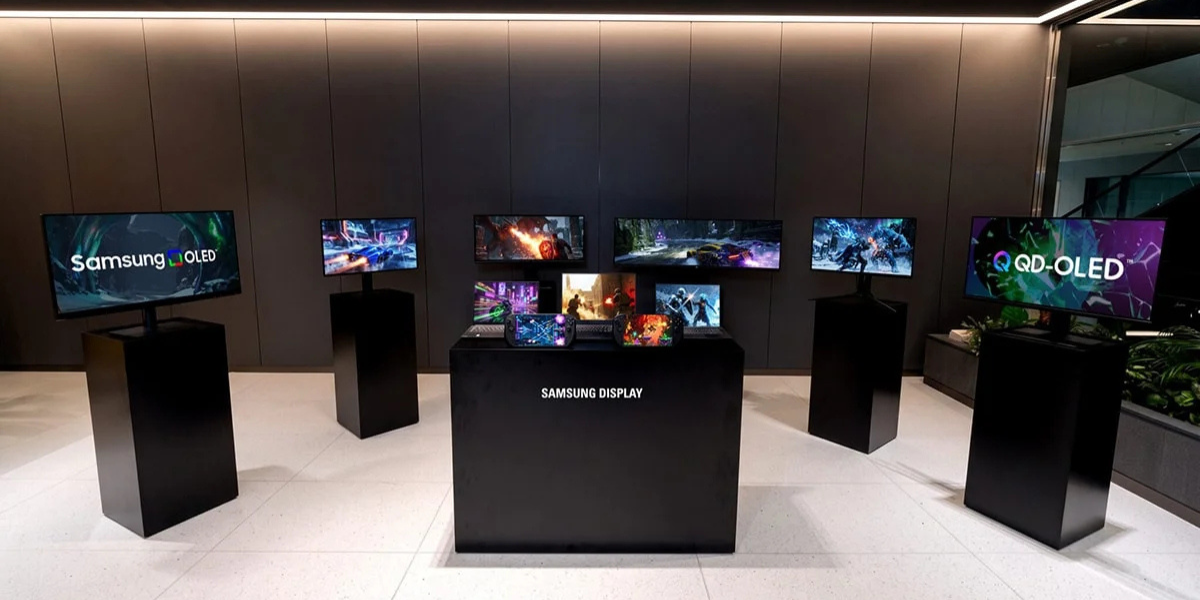

At Computex 2026, Samsung Display garnered significant praise with its ultra-thin OLED panel that reduces thickness by 20%, paving the way for the next generation of thin and light laptops that continue to deliver high performance.
Samsung Display officially announced its “ultra-thin” OLED panel technology for laptops at Computex Taipei 2026. This groundbreaking development not only reduces the physical size of the screen but also promises to completely change the hardware design approach of laptop manufacturers in the coming years.
Samsung Display has launched an ultra-thin OLED screen for laptops.
A technological breakthrough in reducing panel thickness.
The greatest feature of this new OLED screen is its ability to reduce bezel thickness by approximately 20% compared to mass-produced solutions. Reducing the screen thickness by just a few millimeters is a complex engineering feat, as it directly impacts the chassis structure, overall durability, and internal cooling system.
According to a Samsung Display representative, this improvement stems from optimizing the manufacturing process to reduce the thickness of both the TFT (Thin Film Transistor) substrate and the outer glass layer by more than 30%. The biggest challenge lies in maintaining structural integrity, as thinner glass is more susceptible to bending or deformation under physical impact.

Samsung’s new display technology will enable laptops to be thinner and lighter.
Impressive specifications for a high-end laptop.
Despite being optimized for a slim design, Samsung’s new generation OLED panels don’t compromise on screen quality. The product continues to meet the strictest standards for gaming laptops and professional content creation devices. Key features are listed below:
| Parameter | Detail |
|---|---|
| Panel type | Ultra-thin OLED |
| Edge thickness | 20% discount compared to the current generation. |
| Scanning frequency | From 165 Hz to 240 Hz |
| View certificate | VESA DisplayHDR True Black 1000 |
The combination of OLED’s high refresh rates and deep contrast makes this panel the best choice for devices that require a balance between responsiveness and a vivid visual experience.
Optimize the design space within the chassis.
Reducing screen size offers a twofold advantage for OEM manufacturers. With less screen area, engineers have more space to increase battery capacity, upgrade cooling systems, or integrate other hardware components without increasing the overall weight of the device.
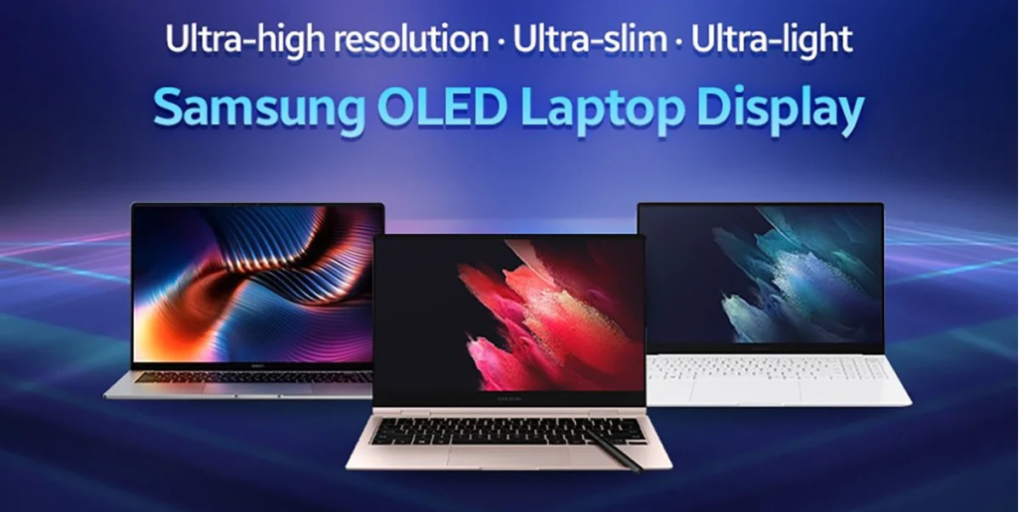
Samsung’s new OLED panel will be featured in many laptops in the near future.
Currently, Samsung Display has not yet announced a list of the first commercial laptop models to utilize this technology. However, with its presentation at Computex 2026, the technology industry expects ultra-thin OLED panels to become the new standard in high-end ultrabooks and gaming laptops in the near future, enabling users to have powerful mobile devices while providing maximum flexibility.
Source: https://baodanang.vn/samsung-ra-mat-tam-nen-oled-sieu-mong-cho-laptop-buoc-tien-moi-cho-thiet-design-di-dong-3339221.html